Breaking the Gordian Knot in the Park

By H.G. Peterson

H.G. Peterson

Dedicated to Azura Skye

The other day I came across a fresh thing in the ground
When I stepped upon it, it made a squishy sound
It was sort of like a gurgle, like to a flushing john
Curious I looked down, to see what I stepped on

The color was transparent, though not completely so
If it were alive then its moving didn’t go
For when I went and took a stick and poked it several times
It didn’t react much at all except for a few whines

Wondering was it ectoplasm, I got down to examine
For at a closer look it might be vomit of a salmon
But why would fish, I thought, be walking down the road?
It’s quite less temperate than a watery abode

It was not coins or radishes, for certain not pureé
Nor bioluminescent pork, nor the scab of an ofay
I couldn’t see a kiester, or joints like dear Phssthpok
Could it be old muenster, or crushed caiman in a sock?

I tried to ask a man I saw about its genesis
But he just smiled and mumbled about whale ambergris
This I thought unusual and quite outside of true
For they cannot perambulate, not even with four shoes

This, of course, is why I can’t ever leave my home
Without a vacuum sample tube and shock-absorbent foam
In my satchel are always kept some beakers in a rag
‘cause samples sometimes spill out inside that battered bag

I sometimes take a ratchet and a candle with a wick
And lest we not forget, there’s that handy poking stick
Always prepared to test out a putrid mass I find
I keep these things with me. They give me peace of mind.
On the Subject of Armored Trains

train

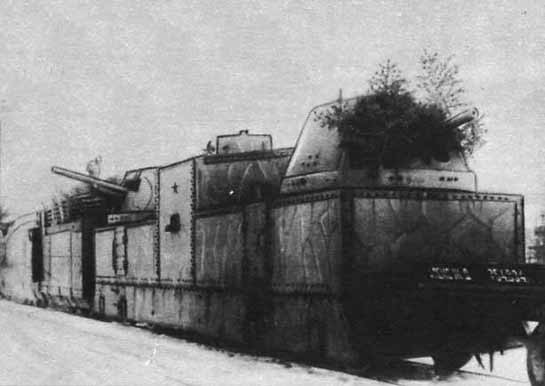
If the recent troubles over the Transvaal have taught lounge parlor strategists but one thing it is the humble idea that military men must take it upon themselves to examine more appropriate use of the armored locomotive in war time.

When the enemies of the Great Republic take up arms to endanger her, good men must be prepared for the struggle, be it with Spaniards, Irish or the Red Indians. The American race has for its use the vast power of our industry: we must and shall endeavor to trans-form the articles of peaceful industry into mighty machines of war; here the coal fired locomotive, perhaps covered in plating of steel, will show itself as the unstoppable Juggernaut of the Coal Age.

Imagine if you will before you a gleaming Titan of Iron: the super armored locomotive. As it belches out smoke and roars to life like a testy lion even the most hardened cynic would find his belly stirred with emotion. Behind the industrial monster could be towed a train of varied carriages and upon many of these could be mounted large artillery pieces; field guns of tremendous fury.

Without fear I can say that our foes will want for so splendid a monstrosity. Instead they will charge at us much as the Persians did at Thermopylae; on foot or on horse-back. Our armies will meet them from the mouth of a steel leviathan, our cavalry shall rout them by attacking their flanks, not on horseback, but brandishing pistol or saber as they speed through in their gleaming, modern motorized carriages.

In the days of old, such as when our forebears met near the waters of Bull Run, wars took years, campaigns months, battles days. In thanks to the Might of Industry, the Republic’s Army now, with the marvels of the armored locomotives, motorized carriages and with the life saving comestible of tinned meat product to sustain them, may subdue an enemy army in
but an hour. Instead of pricking with bullets our Armies will subdue the foe with a rain of shells;enough to level the countryside, to leave only a scape of mud, craters and devastation.

Such will be the glorious future of mechanized, industrial war. So severe will be the enemy’s destruction that they will surrender their sovereignty without delay, ending all wars in a short period and allowing American domination of all dominions, nations and parcels of land, and of the several oceans.